Most Americans have a vague sense that they should be ready for an emergency and a clear sense that they are not.
Maybe the power went out for a day and you realized you had one flashlight with dead batteries. Maybe the news left you wondering what you would do if the stores were empty or the roads were blocked. That uneasy feeling is a reasonable reaction to a real gap, and it can be closed one small purchase and one small skill at a time.
Survive and Sustain is a homesteading and survivalism website for ordinary people who want to become more capable and less anxious. If you are looking for emergency preparedness for beginners, you are in the right place. You do not need a bunker, a camouflage wardrobe, or a spare year of savings to begin.
What You Will Find on Survive and Sustain
This site covers two connected ideas. Survival is what you do when something goes wrong: a storm, a long power outage, a medical problem, a disrupted supply chain, or unrest in your area. Sustainability is what lets you stay steady afterward: growing some of your own food, storing what you eat, and learning skills that do not depend on everything working perfectly.
The guides here are written for the average household. That means people with jobs, kids, pets, small yards or no yard at all, and limited budgets. We approach the subject with concern for the reader, not with a doom sales pitch. Fear makes poor decisions, and a calm, practical plan beats panic buying every time.
A little humor will sneak in too. Preparedness is serious, but nobody learns well from a lecture delivered through gritted teeth.
Why Emergency Preparedness for Beginners Starts Small
The most common mistake new preppers make is trying to do everything in one weekend. They buy a pile of gear, feel overwhelmed, and quit when the credit card bill arrives. A better approach is to build in layers, starting with the problems most likely to happen to you.
For most households, those problems are mundane: a power outage, a burst pipe, a snowed-in driveway, a job loss, an illness. Preparing for those covers a great deal of ground, and the same supplies and habits help in rarer and more serious events as well.
A useful way to begin is to ask three questions about your own home:
- If the power were out for several days, how would we stay warm or cool, see in the dark, and keep food safe?
- If the water stopped running, what would we drink and how would we flush the toilet?
- If we could not leave the house, or had to leave it quickly, what would we need?
Write down your honest answers. The gaps you find become your shopping and learning list, and you will know where to spend your first dollar.
The Basics to Cover First
Every serious preparedness plan rests on a short list of needs. Cover these before you buy anything exotic.
Water
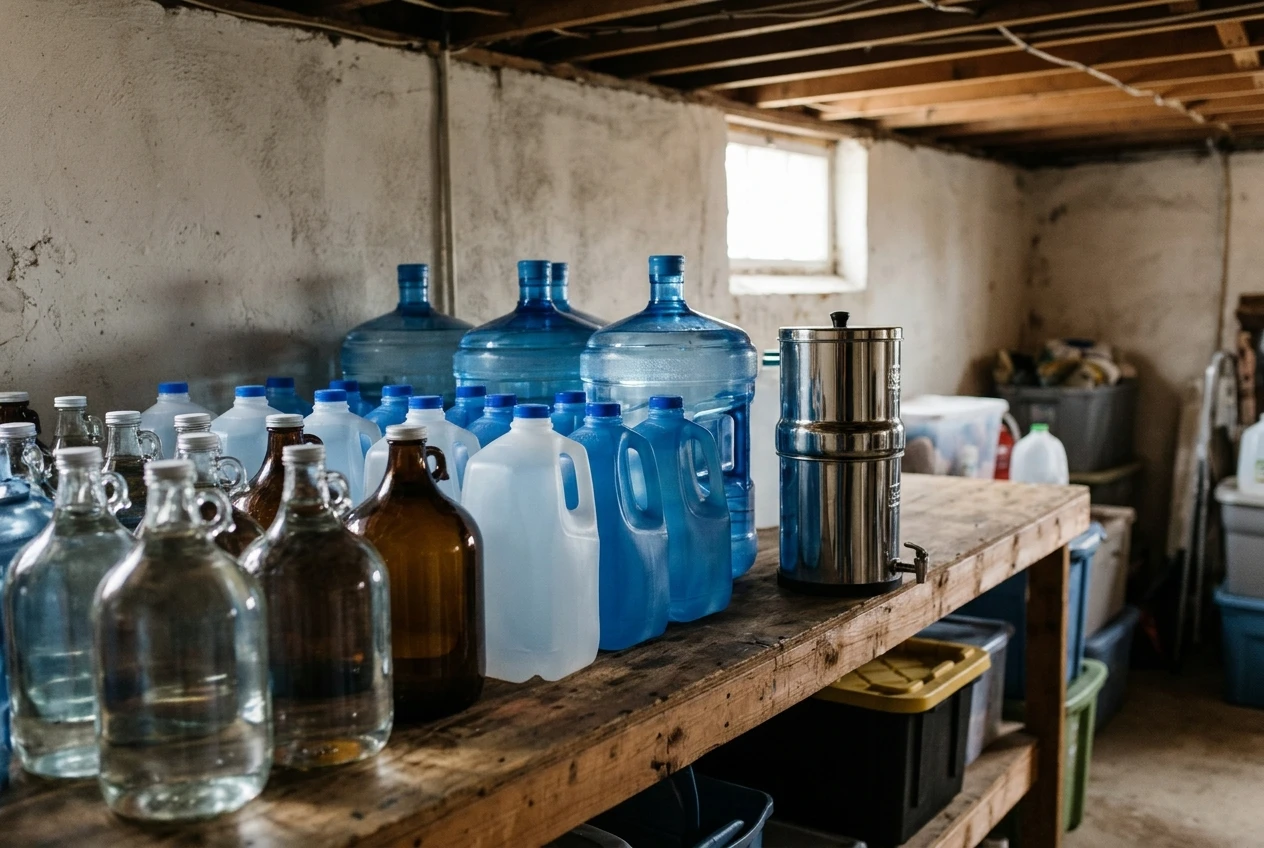
People can last much longer without food than without water, so water comes first. A commonly used guideline is to store one gallon per person per day, which covers drinking and basic sanitation. Start by filling clean containers you already own, and add a way to treat water you collect from other sources. Think about your pets as well, since they drink too.
Food
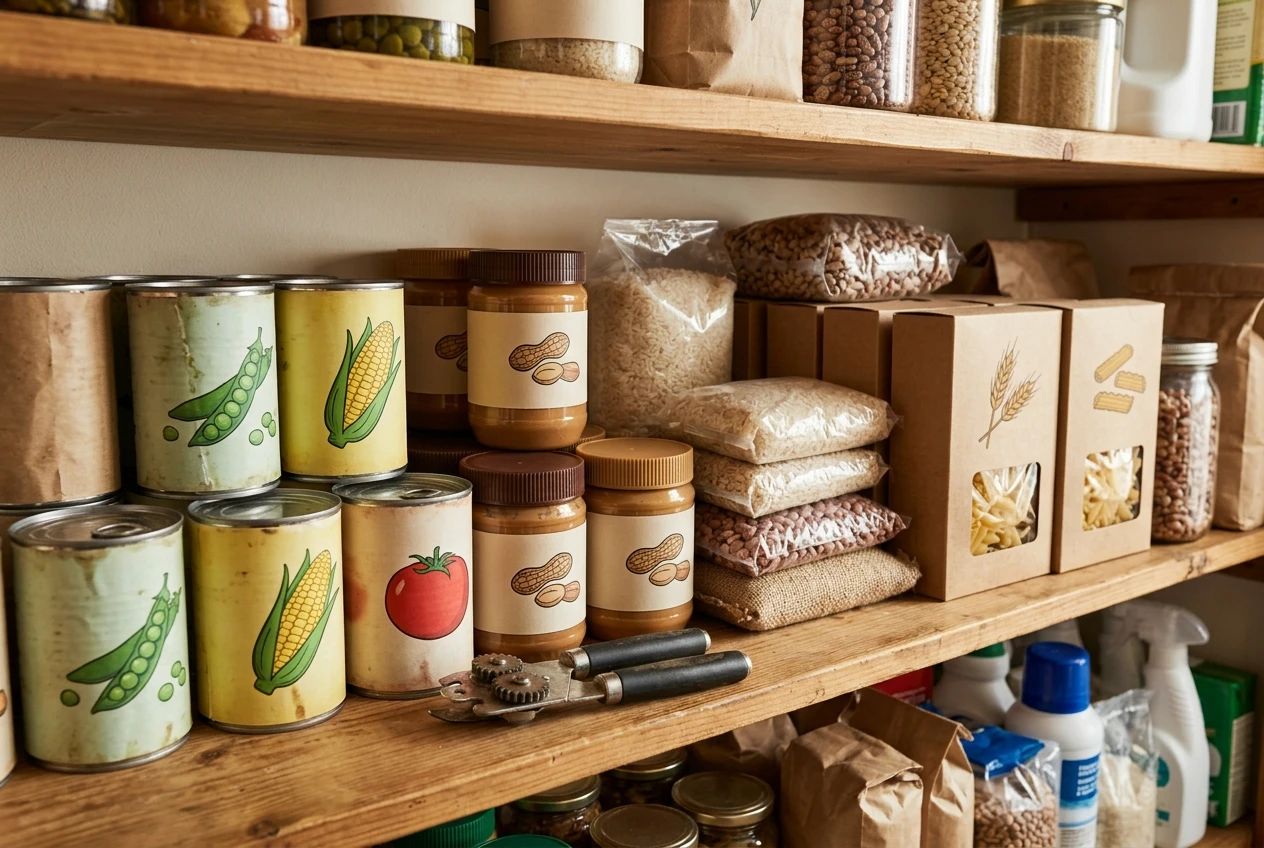
Store food your household already eats. A pantry of familiar canned goods, rice, beans, pasta, peanut butter, and shelf-stable staples is far more useful than a bucket of freeze-dried meals nobody wants to open. Buy a few extra items each time you shop and rotate the oldest to the front. Do not forget a manual can opener, because an electric one is useless in an outage.
First aid and medications
Emergencies and injuries tend to arrive together, and an ambulance may be slow to reach you in a widespread event. A well-stocked kit is one of the cheapest and most useful things you can own. We have a guide on the essentials for a well-stocked first aid kit that goes through what belongs in it. Also look at your prescriptions, and ask your pharmacist or doctor what is possible for keeping a modest buffer on hand.
Light, heat, and power
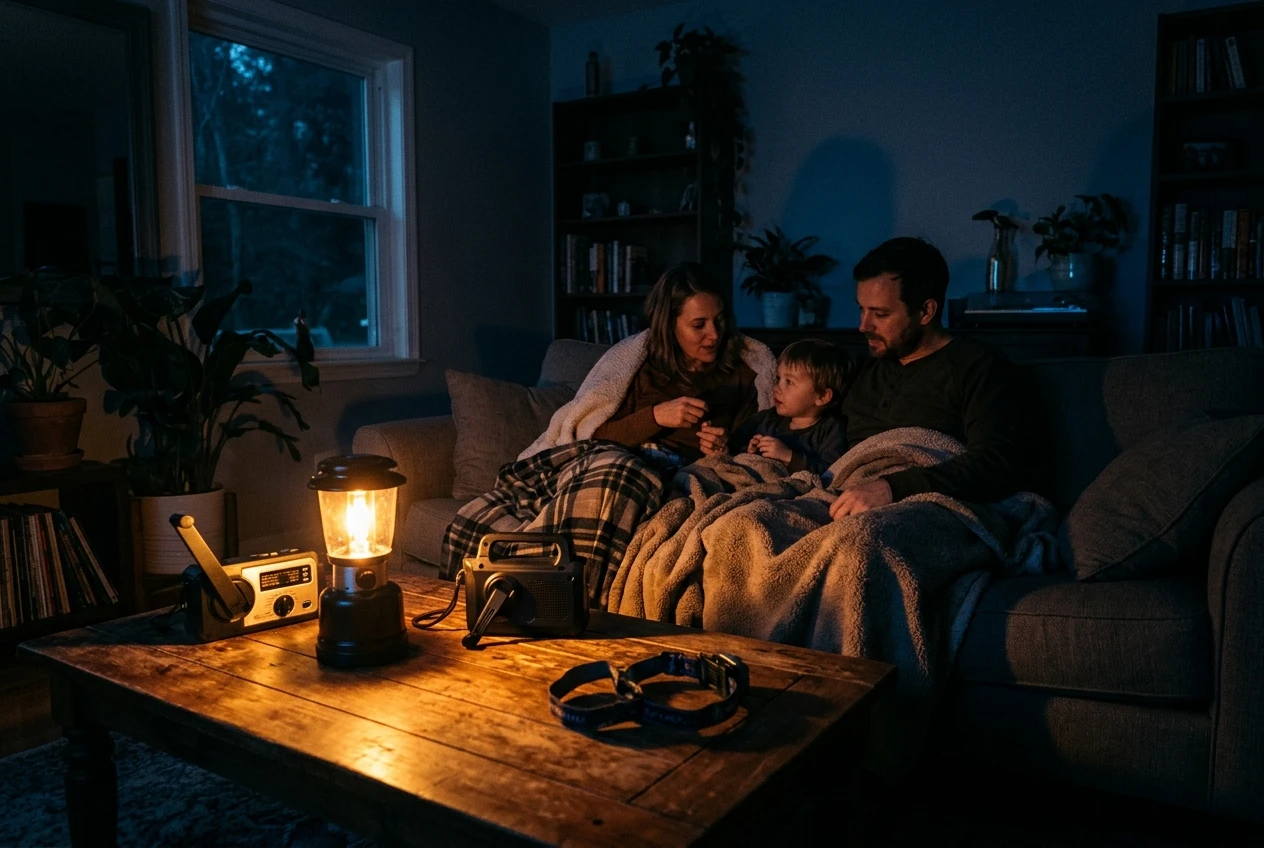
Keep flashlights or headlamps, extra batteries, and a battery or hand-crank radio where you can find them in the dark. Think through how you would keep warm in cold weather without grid power, and do it safely. Heating and cooking with the wrong equipment indoors can poison a family, so read the manufacturer’s instructions for anything that burns fuel.
Documents, cash, and communication
Keep copies of identification, insurance policies, medical information, and important phone numbers in a waterproof folder, and consider a digital copy stored securely. Keep some cash in small bills, because card readers fail when the power does. Agree with your family on where to meet and who to call if you are separated, since phone networks can become congested.
Thinking Clearly About Civil Unrest
Many readers come to preparedness because of unrest in the news. It is an uncomfortable subject, and it deserves a level-headed answer rather than a dramatic one.
The overwhelming majority of the preparation for unrest is the same preparation as for any other disruption. If you have water, food, medication, fuel, and a plan, you can stay home for a while and avoid trouble. That is the best outcome in nearly any situation involving crowds or tension: be somewhere else, quietly, with what you need.
A few practical habits help:
- Keep your gas tank at least half full so you are not stuck at a pump during a rush.
- Know two or three routes out of your neighborhood and out of your town.
- Pay attention to local alerts and trustworthy local sources, and be skeptical of anything that spreads faster than it can be confirmed.
- Get to know your neighbors. A street where people talk to each other handles a bad week much better than a street of strangers.
Preparedness is about keeping your household safe and fed. It is not about looking for confrontation, and nothing we publish here treats it that way.
Sustaining Beyond the First Few Days
A stocked pantry buys you time, but it eventually runs out. This is where the homesteading side of the site comes in. Skills last longer than supplies, and they are usually cheaper to acquire.
You can begin with modest projects, whatever your living situation:
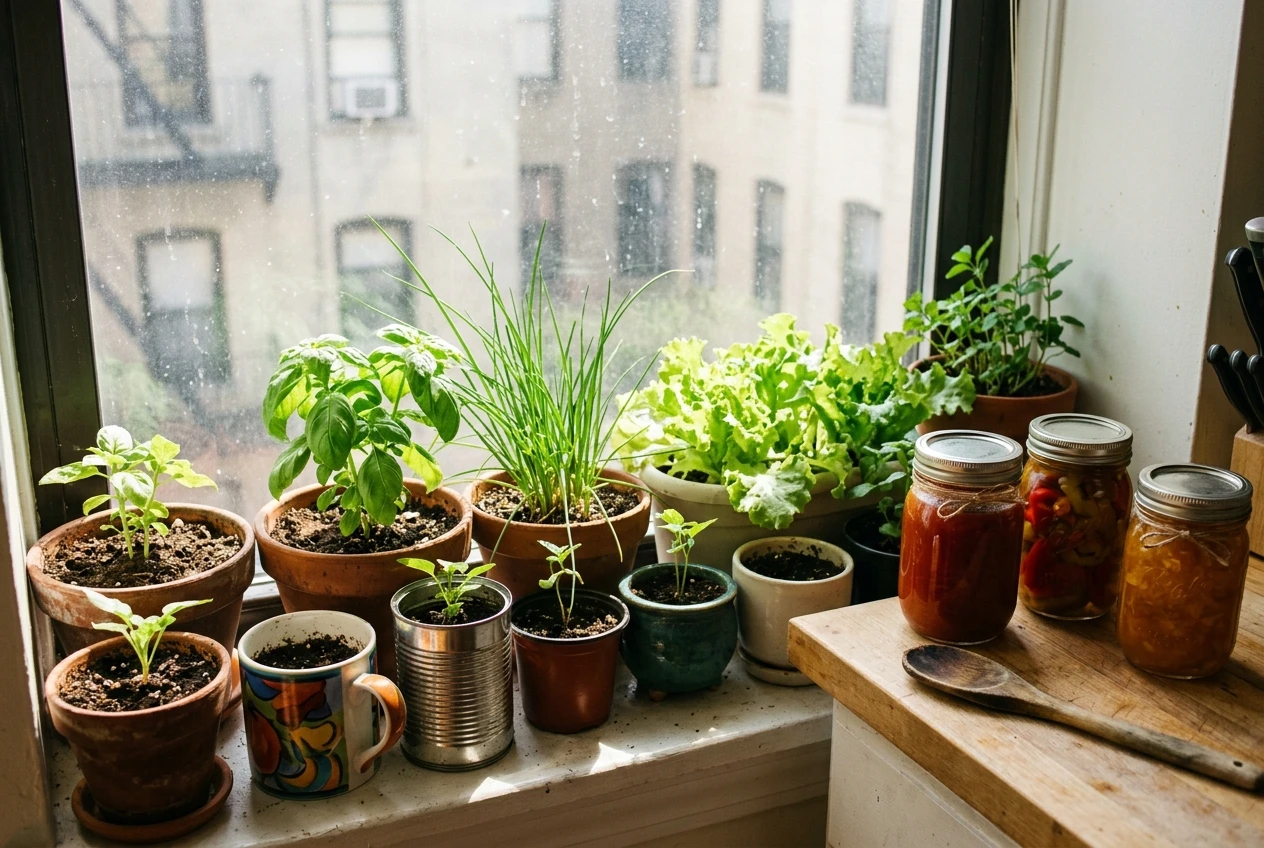
- Grow herbs or salad greens on a windowsill or in containers on a porch.
- Learn to cook from scratch with basic ingredients, because stored staples are only useful if you know what to do with them.
- Practice preserving food by canning, dehydrating, or freezing, and start with a small batch of something simple.
- Try a basic repair or sewing task instead of throwing the item out.
- Take a first aid and CPR course from a qualified local instructor.
A garden will not feed a family overnight, and nobody should pretend otherwise. But a gardener who has already made the mistakes and learned the seasons is far better placed than someone starting from nothing under pressure. The same goes for every skill on that list.
The Preparedness Mindset
Gear matters less than the way you think. People who handle emergencies well tend to be those who stay calm, make a plan, and take the next sensible action, not those with the most equipment. That is a habit you can build.
It starts with accepting that bad things can happen without letting that belief run your life. It continues with doing small, boring tasks regularly: checking the batteries, rotating the pantry, running through the plan with your family. If you want to gauge where you stand, read The Preparedness Mindset: Do You Have What It Takes. It looks at the mental side of readiness, which most gear lists skip.
You will also find that preparing changes how you feel. Having a plan does not remove every worry, but it replaces a shapeless dread with a short list of jobs you can do on a Saturday.
A Sensible Order of Operations
If you are not sure what to do first, this order works for most households:
- Store water and make sure you can treat more.
- Add a week or two of food your family already eats.
- Build or buy a first aid kit and sort out your medications.
- Gather light, communication, and basic heating or cooling options.
- Organize documents, cash, and a family contact plan.
- Start learning one skill at a time, beginning with the one that fits your daily life.
Spread this over several months. Spend a little each paycheck, and treat each step as finished once it is done. You do not have to be fully prepared by next week to be meaningfully better prepared than you are today.
Start Here
You do not have to figure this out alone, and you do not have to read everything on the site before you act. Pick one need from the list above, and take care of it this week.
When you are ready for a full walkthrough that puts these pieces in order, check out our getting started guide.